Japanese Food 101


Categories
  • Glossary of Terms for Seafood (2)
  • About Us (1)
  • All About Miso (2)
  • All About Rice (7)
  • All About Tofu (2)
  • Basic Meals (2)
  • Dining Etiquette (1)
  • Drinking Etiquette (1)
  • Festive New Year Food (2)
  • General Glossary of Terms (3)
  • Glossary of Terms for Cooking Implements (2)
  • Glossary of Terms For Sushi Types (1)
  • Green Tea (3)
  • Helping You Shop! (2)
  • More Information On… (34)
  • Recipes (79)
  • Restaurant Review (2)
  • Sushi Bar Etiquette (1)
  • Uncategorized (3)

  • Other Sites
    Japanese Cooking Classes
    Japanese Cuisine
    Kung Fu Toronto
    The Consumer Complaints Blog
    Web Design Toronto

    External Websites
    • Buy Japanese Cold Sake Set
    • catering supplies
    • Kitchen Accessories


    « Types of Tofu - Aji no Moto: MSG »


    Fugu
    Wednesday February 07th 2007, 6:55 pm
    Filed under: Glossary of Terms for Seafood

    Fugu is the Japanese word for Tetraodon, aka blowfish, pufferfish, globefish, and swellfish. Its name comes from the shape it becomes when threatened.

    How to eat Fugu

    In Japan, the meat of the fugu is considered a delicacy, as it is quite difficult to prepare properly. Only certified chefs may handle fugu, as preparing it incorrectly can be fatal to the consumer. The chef must be able to remove the internal organs and the eyes cleanly, as these parts contain a lethal poison.

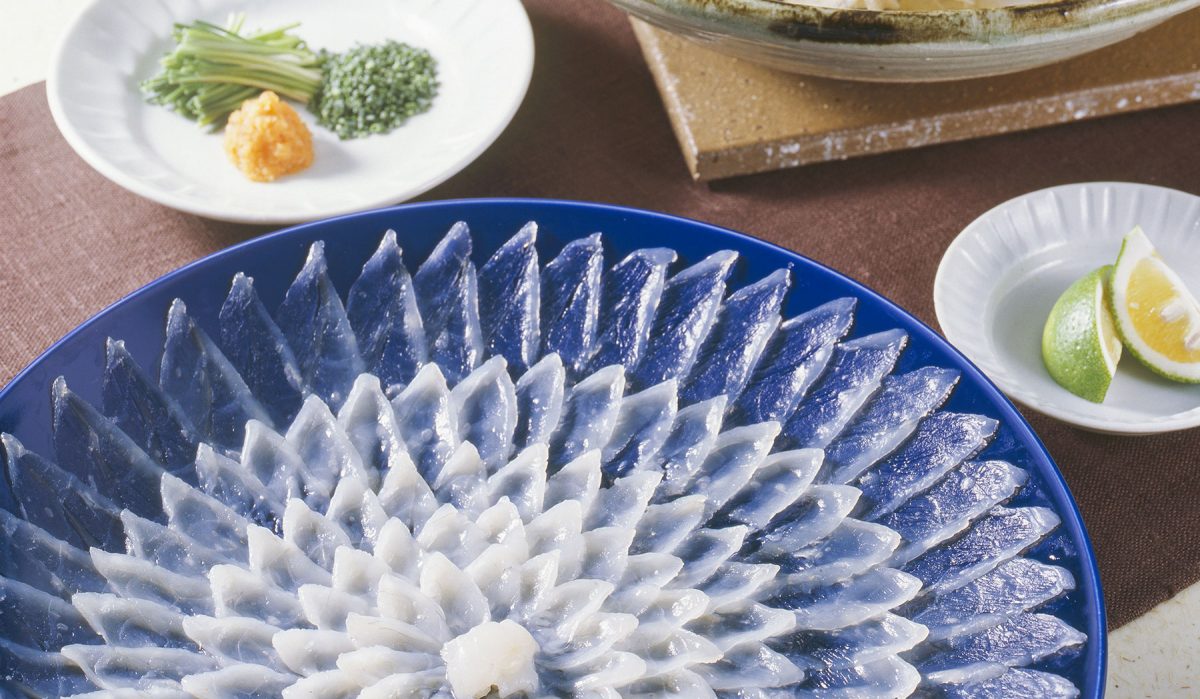
    Fugu meat is prized for its texture, while its flavour is quite refined. When sliced thinly, it can be eaten raw (sashimi). In fact, it is sliced so thinly that it is almost transparent. Dip each slice of fugu into ponzu sauce.

    Another popular way to enjoy Fugu is to dip the slices into a lightly flavoured broth of dashi. Once they are cooked, dip into ponzu sauce for saltiness and additional flavour.

    Finally, the fins of the fugu can also be eaten. The fins are typically salted and grilled, offering a pleasant crunchiness. Enjoy it as an appetizer with a cold glass of beer. When the fins remain unsalted when grilled, a small piece can be placed in a cup of hot sake for a cold day.


    « Types of Tofu - Aji no Moto: MSG »
    3 Comments

    3 Comments so far
    Leave a comment

    this is amazing do u know how to make fugu?

    Comment by sam 06.05.08 @ 9:50 pm

    No, not really. You need to be highly qualified to handle fugu and prepare it. Qualification requires training, after which you receive a certificate. This is the standard in Japan, but we don’t know what it is here.

    Comment by nick 09.09.09 @ 12:40 pm

    From what I understand Fugu chefs not only have to be certified but the must be licensed.
    I have also read recently about a non-poisons Blowfish that Japanese fish farmers have been selling.

    Comment by Greg 10.09.09 @ 5:51 pm

    RSS feed for comments on this post. TrackBack URI


    Leave a comment
    Line and paragraph breaks automatic, e-mail address never displayed, HTML allowed: <a href="" title=""> <abbr title=""> <acronym title=""> <b> <blockquote cite=""> <cite> <code> <del datetime=""> <em> <i> <q cite=""> <strike> <strong>

    (required)

    (required)


    Comment moderation is enabled. Your comment may take some time to appear.

    Japanese Food 101 is © 2005 - 2010 Japanese Food 101
    Syndicate entries using RSS and Comments (RSS).