Japanese Food 101


Categories
  • Glossary of Terms for Seafood (2)
  • About Us (1)
  • All About Miso (2)
  • All About Rice (7)
  • All About Tofu (2)
  • Basic Meals (2)
  • Dining Etiquette (1)
  • Drinking Etiquette (1)
  • Festive New Year Food (2)
  • General Glossary of Terms (3)
  • Glossary of Terms for Cooking Implements (2)
  • Glossary of Terms For Sushi Types (1)
  • Green Tea (3)
  • Helping You Shop! (2)
  • More Information On… (34)
  • Recipes (79)
  • Restaurant Review (2)
  • Sushi Bar Etiquette (1)
  • Uncategorized (3)

  • Other Sites
    Japanese Cooking Classes
    Japanese Cuisine
    Kung Fu Toronto
    The Consumer Complaints Blog
    Web Design Toronto

    External Websites
    • Buy Japanese Cold Sake Set
    • catering supplies
    • Kitchen Accessories


    « Some More Information on Tempura - Surume: Dried Squid »


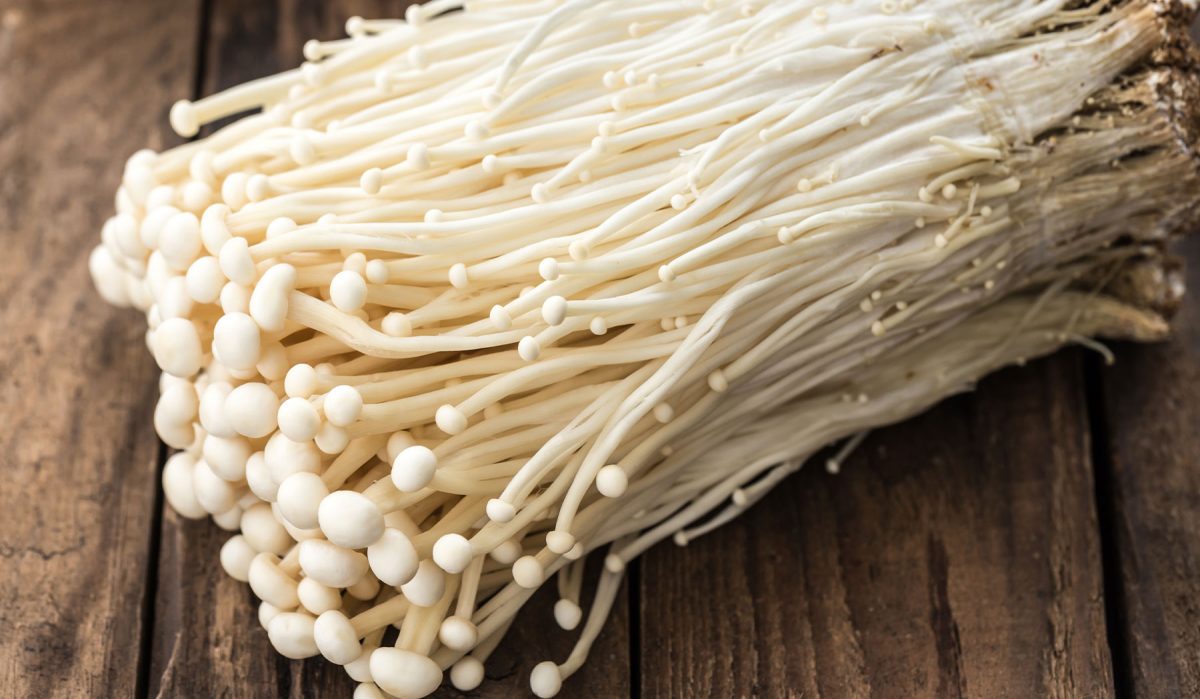
    Enoki Mushrooms
    Monday April 02nd 2007, 1:57 pm
    Filed under: More Information On...


    Cultivated enoki mushrooms, or enokitake in Japanese, are white mushrooms with long and slender stems topped with a small cap. When cooked, they have a delightful texture that is both crunchy and soft (hard to describe!) and a very subtle flavour that does not overpower other ingredients. In Japanese cuisine, Enoki mushrooms are often served in stirfries and hotpots, requiring only a short cooking time. As a result, they are typically added near the end of cooking, a bit before green onions or other finishing touches are included. Do not overcook them, as they will lose their texture and become tough.

    Enoki mushrooms are also known as yukinoshita, as they can be found growing under the snow at the base of a persimmon or poplar tree. They contain polysaccharides.

    When purchasing enokitake in the supermarket, look for ones that are uniformly white. Do not buy ones that have browned or look slimy. Before using, cut the very ends off where they join each other and harden, and rinse thoroughly.


    « Some More Information on Tempura - Surume: Dried Squid »
    0 Comments

    No Comments so far
    Leave a comment

    RSS feed for comments on this post. TrackBack URI


    Leave a comment
    Line and paragraph breaks automatic, e-mail address never displayed, HTML allowed: <a href="" title=""> <abbr title=""> <acronym title=""> <b> <blockquote cite=""> <cite> <code> <del datetime=""> <em> <i> <q cite=""> <strike> <strong>

    (required)

    (required)


    Comment moderation is enabled. Your comment may take some time to appear.

    Japanese Food 101 is © 2005 - 2010 Japanese Food 101
    Syndicate entries using RSS and Comments (RSS).