Japanese Food 101


Categories
  • Glossary of Terms for Seafood (2)
  • About Us (1)
  • All About Miso (2)
  • All About Rice (7)
  • All About Tofu (2)
  • Basic Meals (2)
  • Dining Etiquette (1)
  • Drinking Etiquette (1)
  • Festive New Year Food (2)
  • General Glossary of Terms (3)
  • Glossary of Terms for Cooking Implements (2)
  • Glossary of Terms For Sushi Types (1)
  • Green Tea (3)
  • Helping You Shop! (2)
  • More Information On… (34)
  • Recipes (79)
  • Restaurant Review (2)
  • Sushi Bar Etiquette (1)
  • Uncategorized (3)

  • Other Sites
    Japanese Cooking Classes
    Japanese Cuisine
    Kung Fu Toronto
    The Consumer Complaints Blog
    Web Design Toronto

    External Websites
    • Buy Japanese Cold Sake Set
    • catering supplies
    • Kitchen Accessories


    « Teriyaki Sauce - Tonkatsu Sauce »


    Miso Soup
    Monday September 26th 2005, 10:19 pm
    Filed under: Recipes

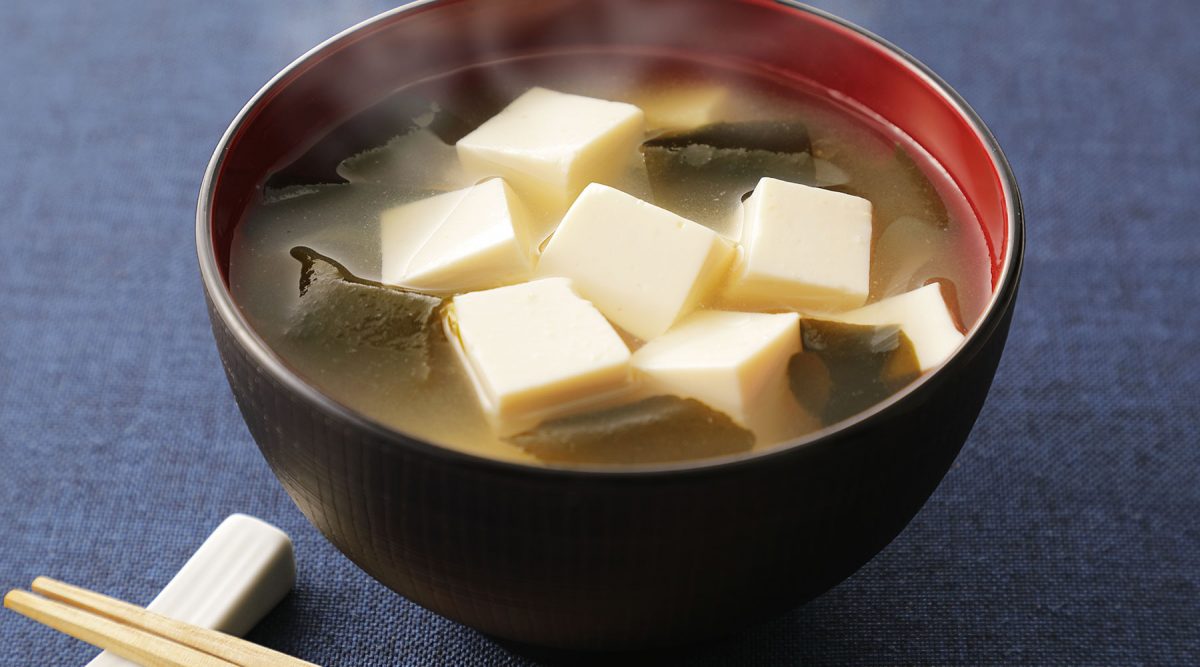
    Miso shiru, or fermented soy bean soup, is made from niban dashi and miso paste. Miso paste can be found at most Oriental supermarkets and comes in a variety of flavours, such as akamiso (saltier and darker brownish-red, with a strong flavour) and genmaimiso (brown rice miso, which is more nutritious). The most popular type of miso is shiromiso, which is pale brown-yellow and has a mild taste. This is probably the type you’ll find in restaurants in the West. If you go to Japan, however, the type of miso soup depends on the region you’re in. For example, akamiso is found in the prefectures of Aichi, Mie, and Gifu.

    All you need is 2 1/2 cups of dashi and 4 tbsp of miso. Simply heat the dashi, but avoid boiling. Place the miso into a strainer, and dissolve in the dashi, straining through to avoid lumps.

    Pretty easy, huh? To finish off, you can add small cubes of tofu and finely sliced green onions. Vegetables can also be added, such as slices of potato or finely sliced onion, but these should be added before the miso as they will take longer to cook.

    Always add the tofu and green onion at the end, right before serving. This is because they are both quite delicate in flavour and shape.


    « Teriyaki Sauce - Tonkatsu Sauce »
    0 Comments

    No Comments so far
    Leave a comment

    RSS feed for comments on this post. TrackBack URI


    Leave a comment
    Line and paragraph breaks automatic, e-mail address never displayed, HTML allowed: <a href="" title=""> <abbr title=""> <acronym title=""> <b> <blockquote cite=""> <cite> <code> <del datetime=""> <em> <i> <q cite=""> <strike> <strong>

    (required)

    (required)


    Comment moderation is enabled. Your comment may take some time to appear.

    Japanese Food 101 is © 2005 - 2010 Japanese Food 101
    Syndicate entries using RSS and Comments (RSS).