Fall is the season of mushrooms. There are several varieties, such as Shiitake, Shimeji, Enokidake, Eringi, and Maitake, (see photo) to name a few. However, of all mushrooms, one reigns superior.
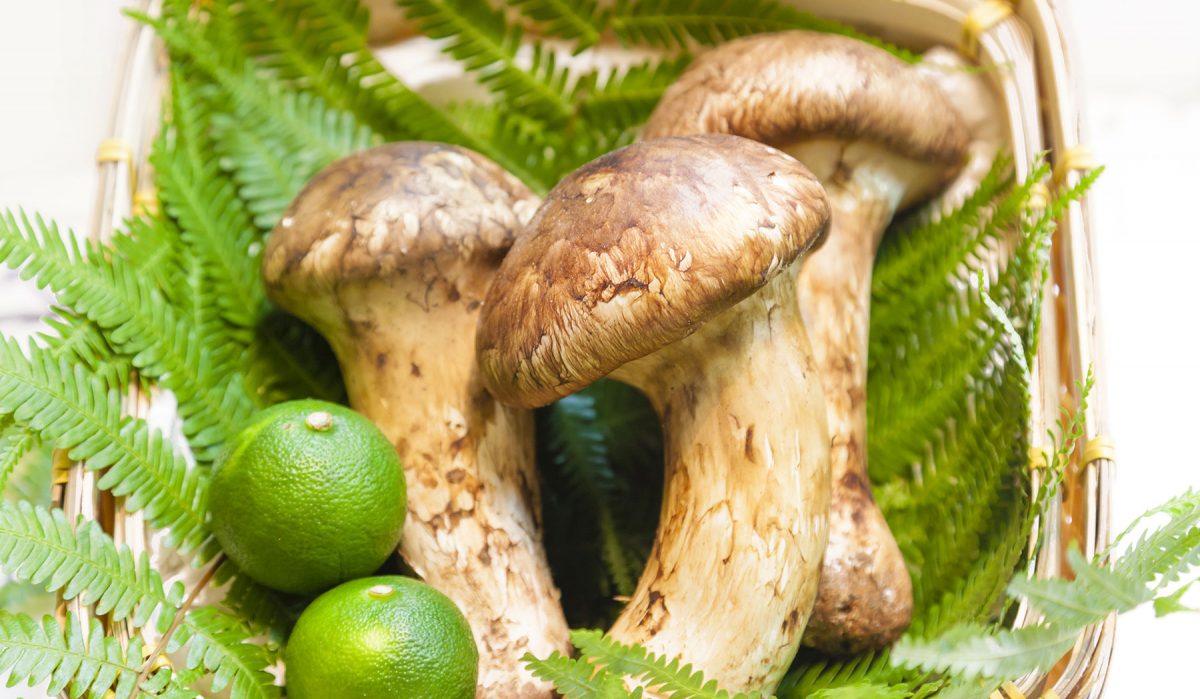
Fall is the season of mushrooms. There are several varieties, such as Shiitake, Shimeji, Enokidake, Eringi, and Maitake, (see photo) to name a few. However, of all mushrooms, one reigns superior.
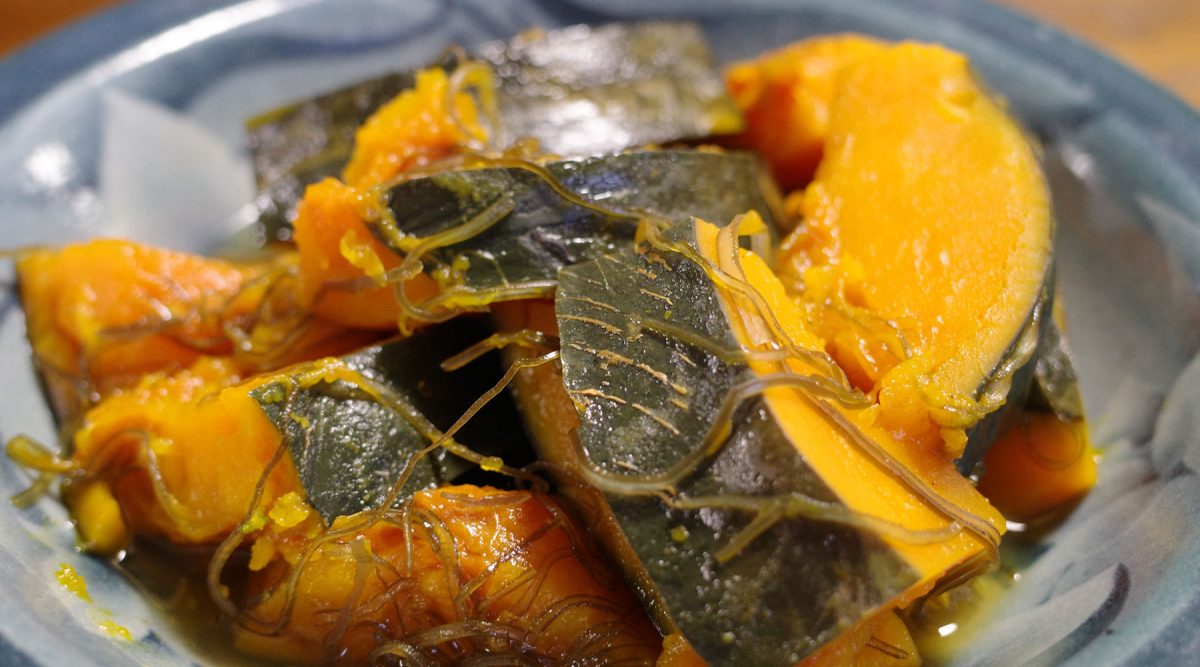
Stewed Japanese style pumpkin is a quick way to add a vegetable side dish to a meal.
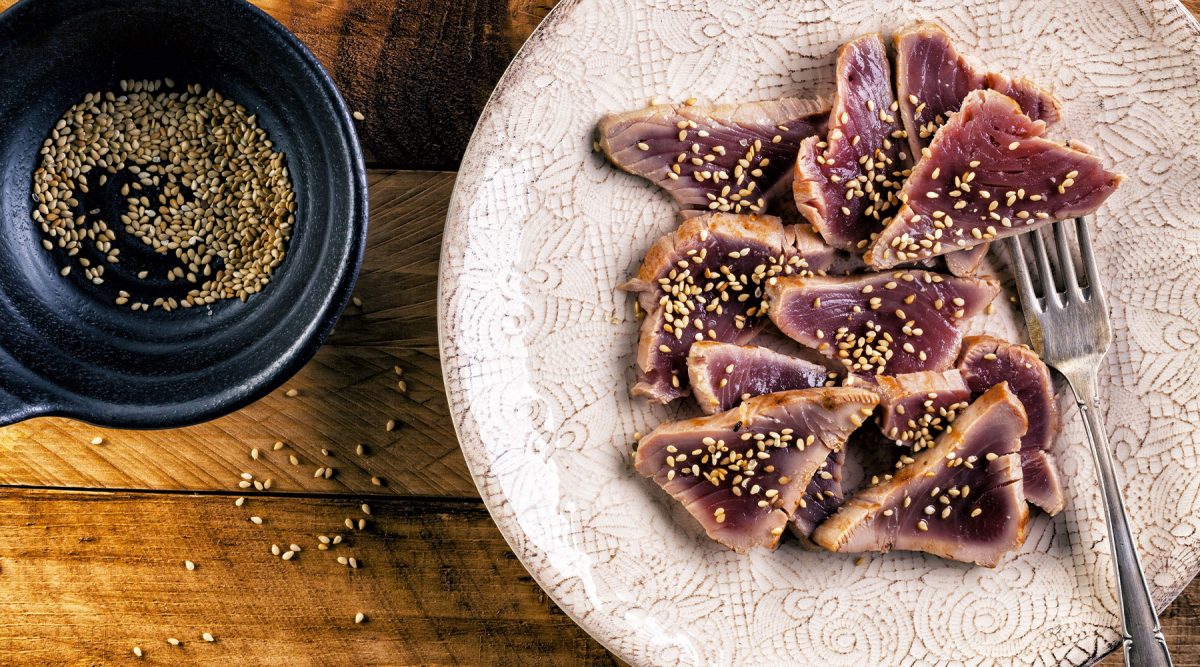
If you don’t like raw tuna, you can introduce yourself to the world of sashimi by half cooking the fish.
There is a load of information about Japanese cooking, cuisine, and etiquette out there, but it’s all over the place. We don’t want to spend hours with our eyes glued to the computer screen, clicking through website after website in a vain attempt to find what we’re looking for.
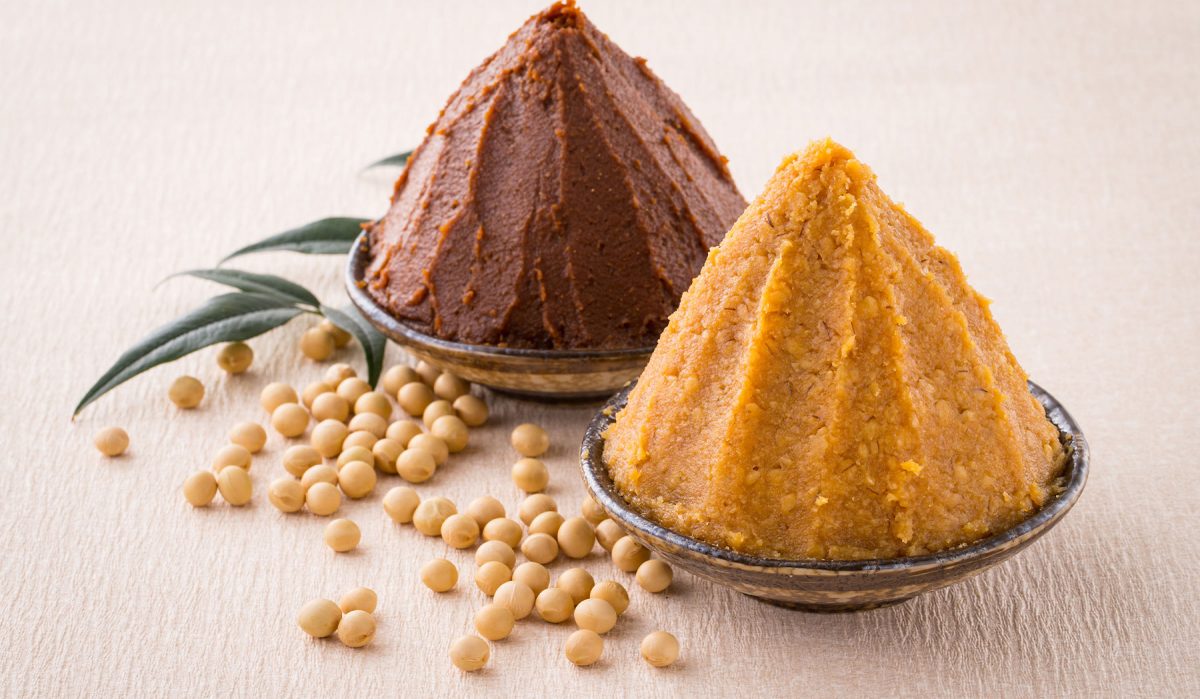
Miso is fermented soybean paste commonly used in Japanese cooking.
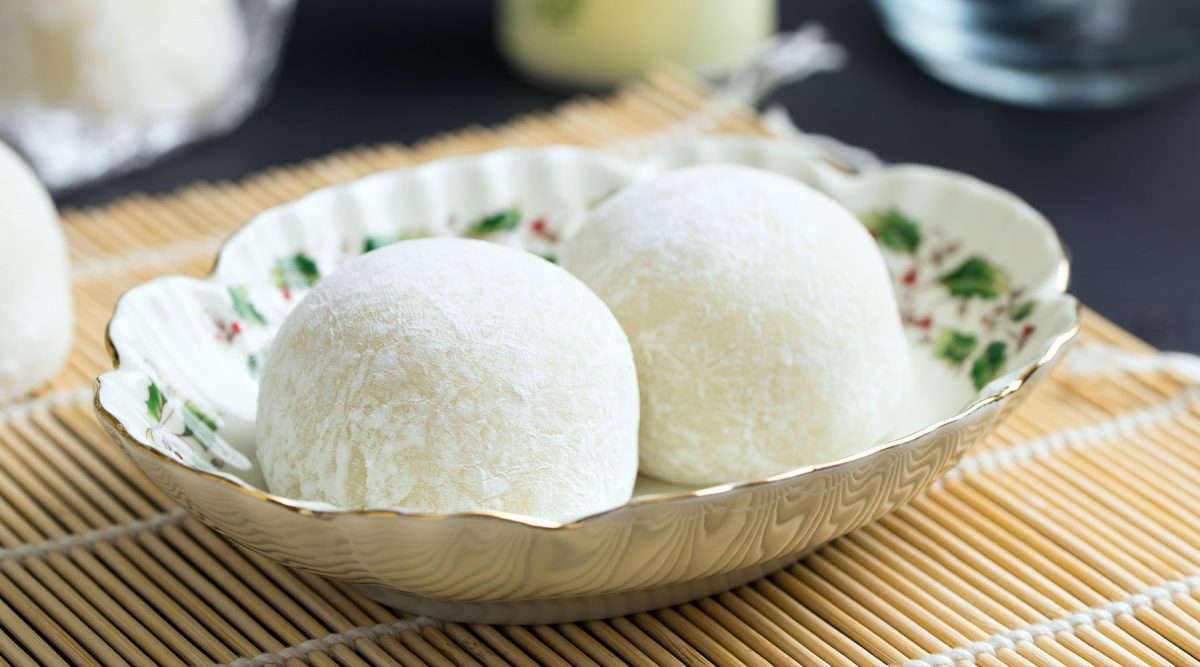
Mochi cakes are a New Year’s treat representing longevity. But don’t worry about eating them only on New Year’s; eat them whenever you like. We’ve provided some ways to eat them following the recipe.
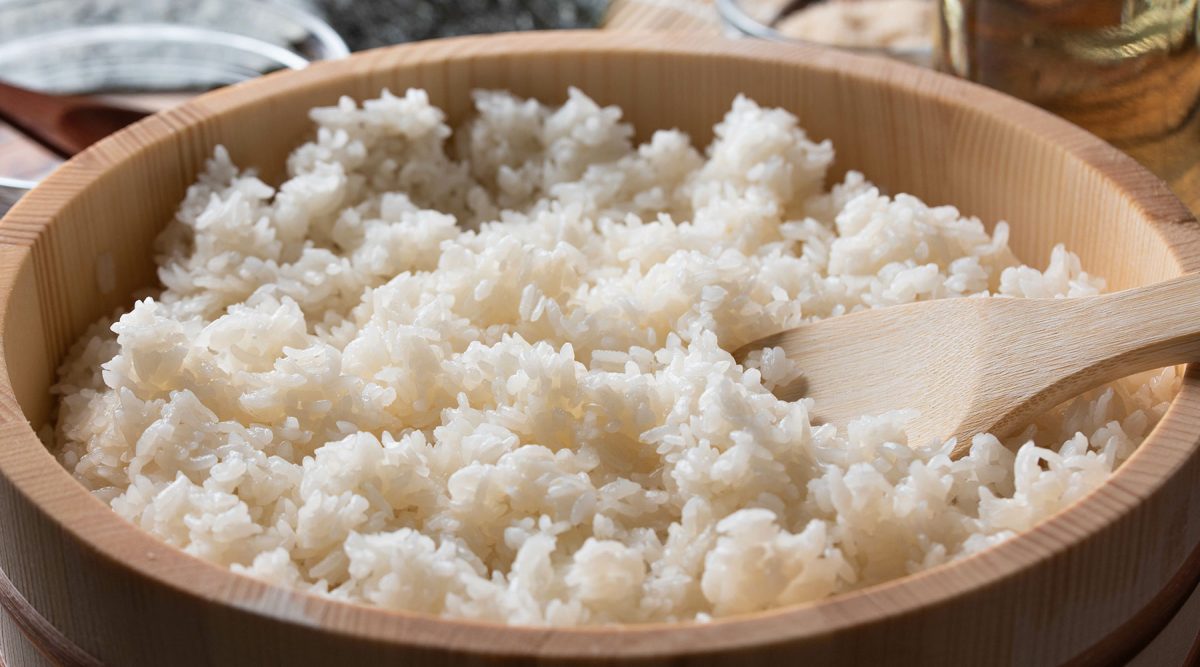
Rice is the main staple for the Japanese. It accompanies just about every meal, whether it be served plain in a bowl, flavoured and fried, steamed with assorted ingredients, or vinegared and molded for sushi.
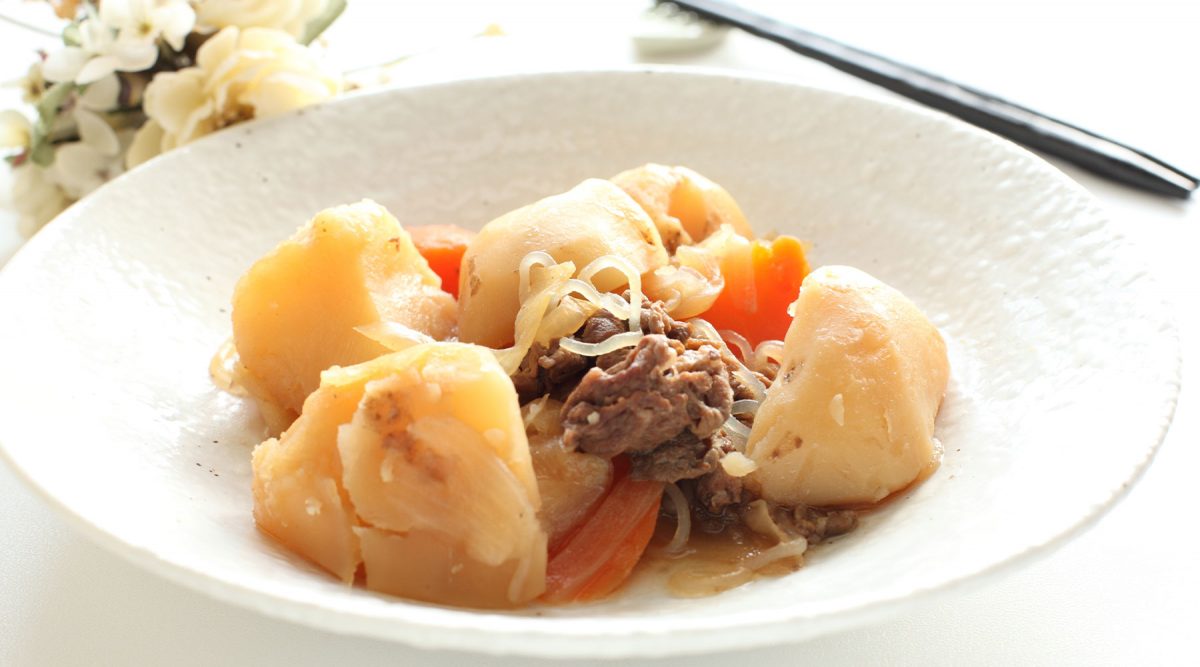
Thinly sliced beef and tender potatoes stewed in a slightly sweetened broth make a perfect dish for cold days.
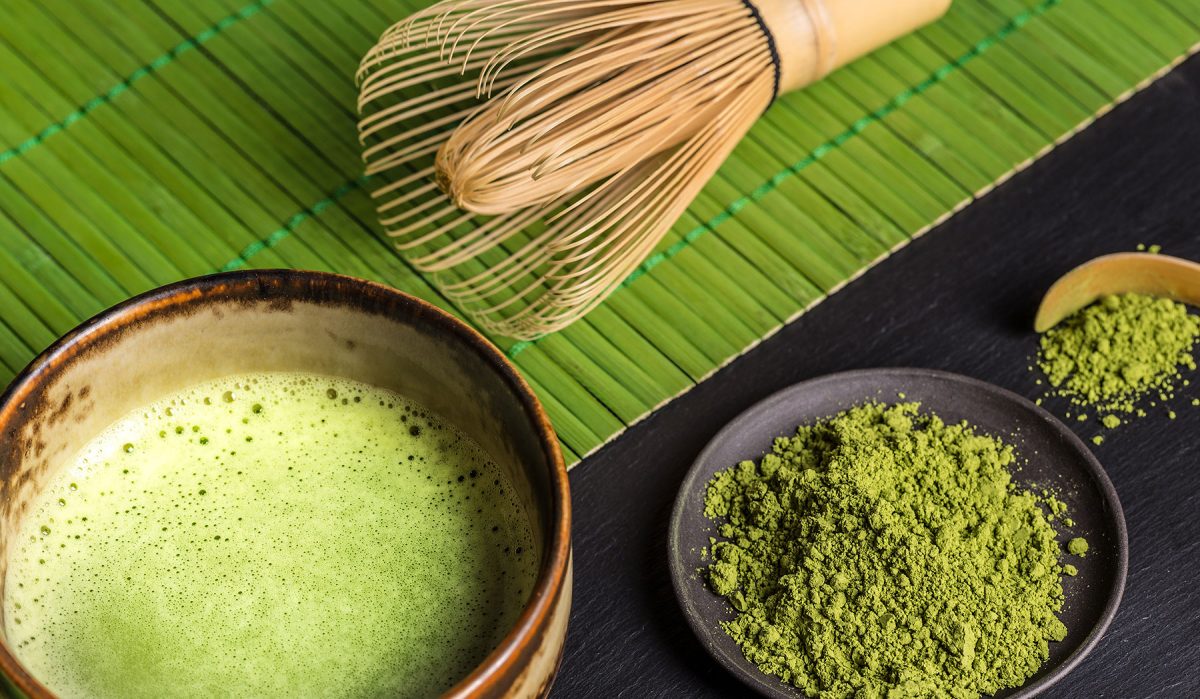
Green tea is a common beverage served at Japanese restaurants and homes. Rich in flouride and antioxidants, it is perhaps the key to why Japanese cuisine is considered one of the world’s healthiest.
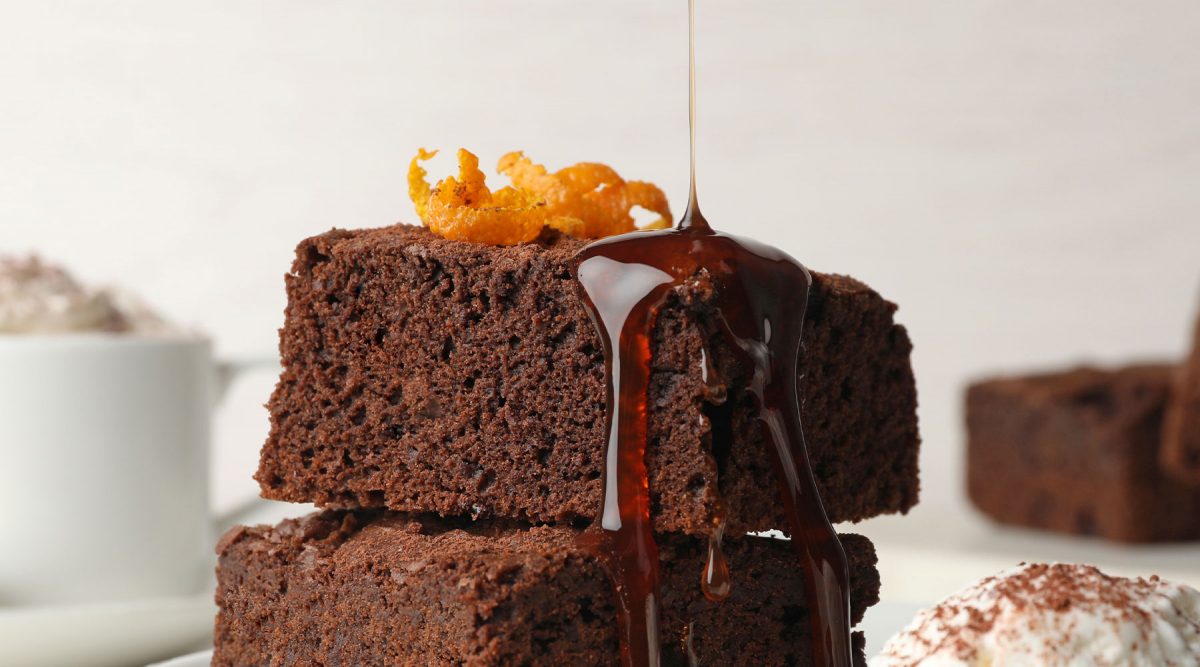
Steamed chocolate cake with orange liquer is a light and fluffy alternative to baked cake.