Japanese Food 101


Categories
  • Glossary of Terms for Seafood (2)
  • About Us (1)
  • All About Miso (2)
  • All About Rice (7)
  • All About Tofu (2)
  • Basic Meals (2)
  • Dining Etiquette (1)
  • Drinking Etiquette (1)
  • Festive New Year Food (2)
  • General Glossary of Terms (3)
  • Glossary of Terms for Cooking Implements (2)
  • Glossary of Terms For Sushi Types (1)
  • Green Tea (3)
  • Helping You Shop! (2)
  • More Information On… (34)
  • Recipes (79)
  • Restaurant Review (2)
  • Sushi Bar Etiquette (1)
  • Uncategorized (3)

  • Other Sites
    Japanese Cooking Classes
    Japanese Cuisine
    Kung Fu Toronto
    The Consumer Complaints Blog
    Web Design Toronto

    External Websites
    • Buy Japanese Cold Sake Set
    • catering supplies
    • Kitchen Accessories


    -


    Traditional Japanese Diet
    Friday February 16th 2007, 2:40 pm
    Filed under: More Information On...


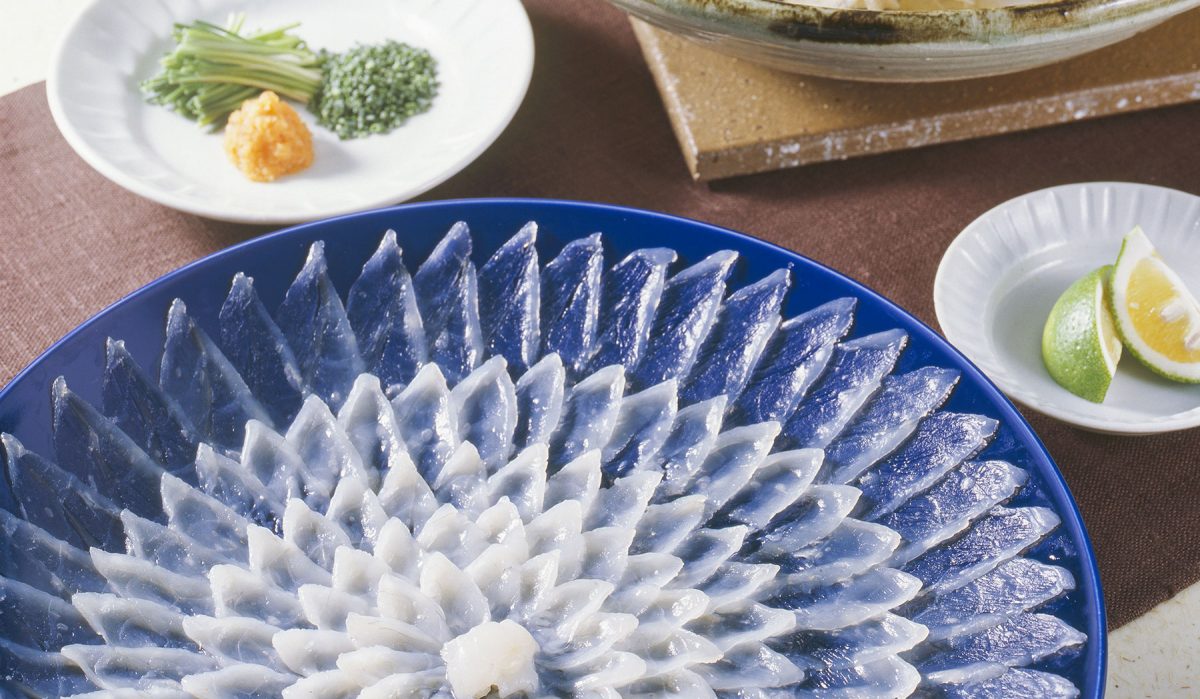
    The traditional Japanese diet consists mainly of vegetables, fruit, and fish while pork, chicken, beef and other forms of meat were entirely absent in daily meals.

    The Consumption of Whale

    The traditional Japanese diet also relied heavily on the consumption of whale. In fact, it is believed that whale was part of the diet well before common era; archaelogical evidence suggests that it was eaten during the Jomon Period (7000-3000BCE). As a result, it is no wonder that Japan continues to eat whale meat despite international scrutiny.

    Buddhism and the Traditional Japanese Diet

    When Buddhism was recognized as the official religion of Japan, eating the meat of any animal with four legs was banned by the imperial court. This ban extended to any mammal, therefore chicken was included. This first occurred under the reign of the 40th emperor of the country, Emperor Temmu (late 600s AD), and continued into the Nara Period (710 to 784 AD) and onwards, until the Meiji period (1869-1912AD). Although technically a mammal, whale was exempt from the ban as it was considered a fish since it lived in the water.

    However, it is believed that some people continued to eat meat despite the ban, such as hunters.

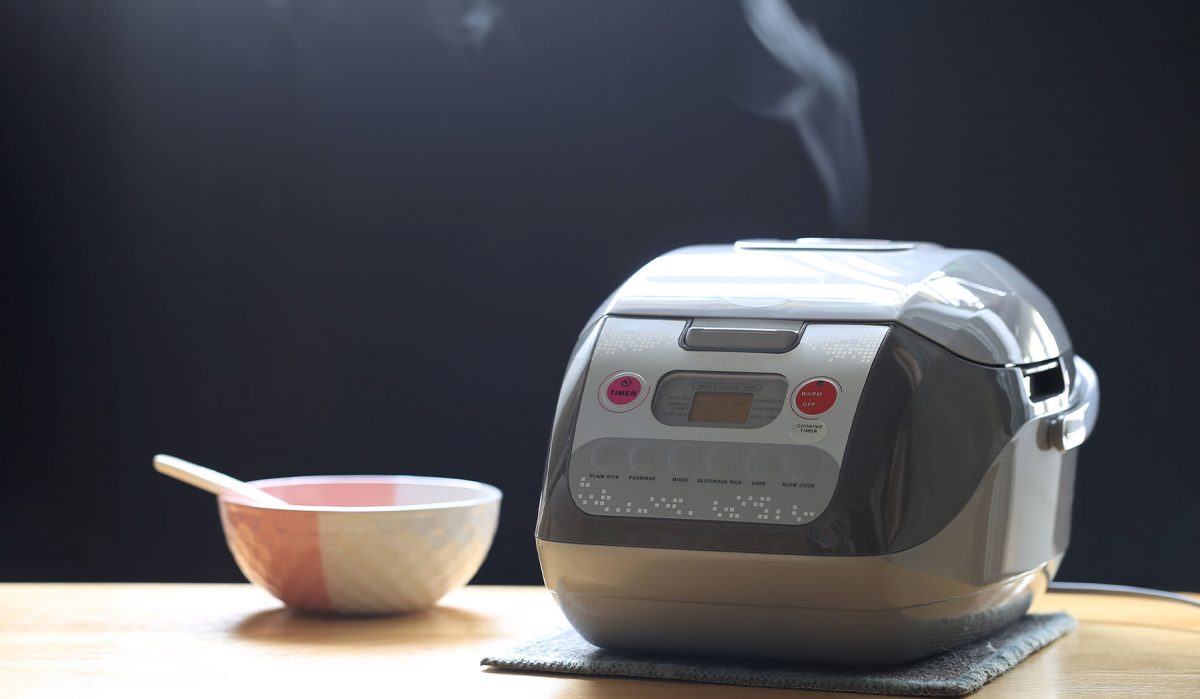
    Food was typically boiled, steamed, grilled or lightly fried. Little to no oil was used to preserve the flavour of the ingredients, and few seasonings were added.


    -
    0 Comments

    Japanese Food 101 is © 2005 - 2010 Japanese Food 101
    Syndicate entries using RSS and Comments (RSS).