Japanese Food 101


Categories
  • Glossary of Terms for Seafood (2)
  • About Us (1)
  • All About Miso (2)
  • All About Rice (7)
  • All About Tofu (2)
  • Basic Meals (2)
  • Dining Etiquette (1)
  • Drinking Etiquette (1)
  • Festive New Year Food (2)
  • General Glossary of Terms (3)
  • Glossary of Terms for Cooking Implements (2)
  • Glossary of Terms For Sushi Types (1)
  • Green Tea (3)
  • Helping You Shop! (2)
  • More Information On… (34)
  • Recipes (79)
  • Restaurant Review (2)
  • Sushi Bar Etiquette (1)
  • Uncategorized (3)

  • Other Sites
    Japanese Cooking Classes
    Japanese Cuisine
    Kung Fu Toronto
    The Consumer Complaints Blog
    Web Design Toronto

    External Websites
    • Buy Japanese Cold Sake Set
    • catering supplies
    • Culinary Arts Schools
    • Kitchen Accessories


    « Happy Japanese New Year! - The Food of Hokkaido »


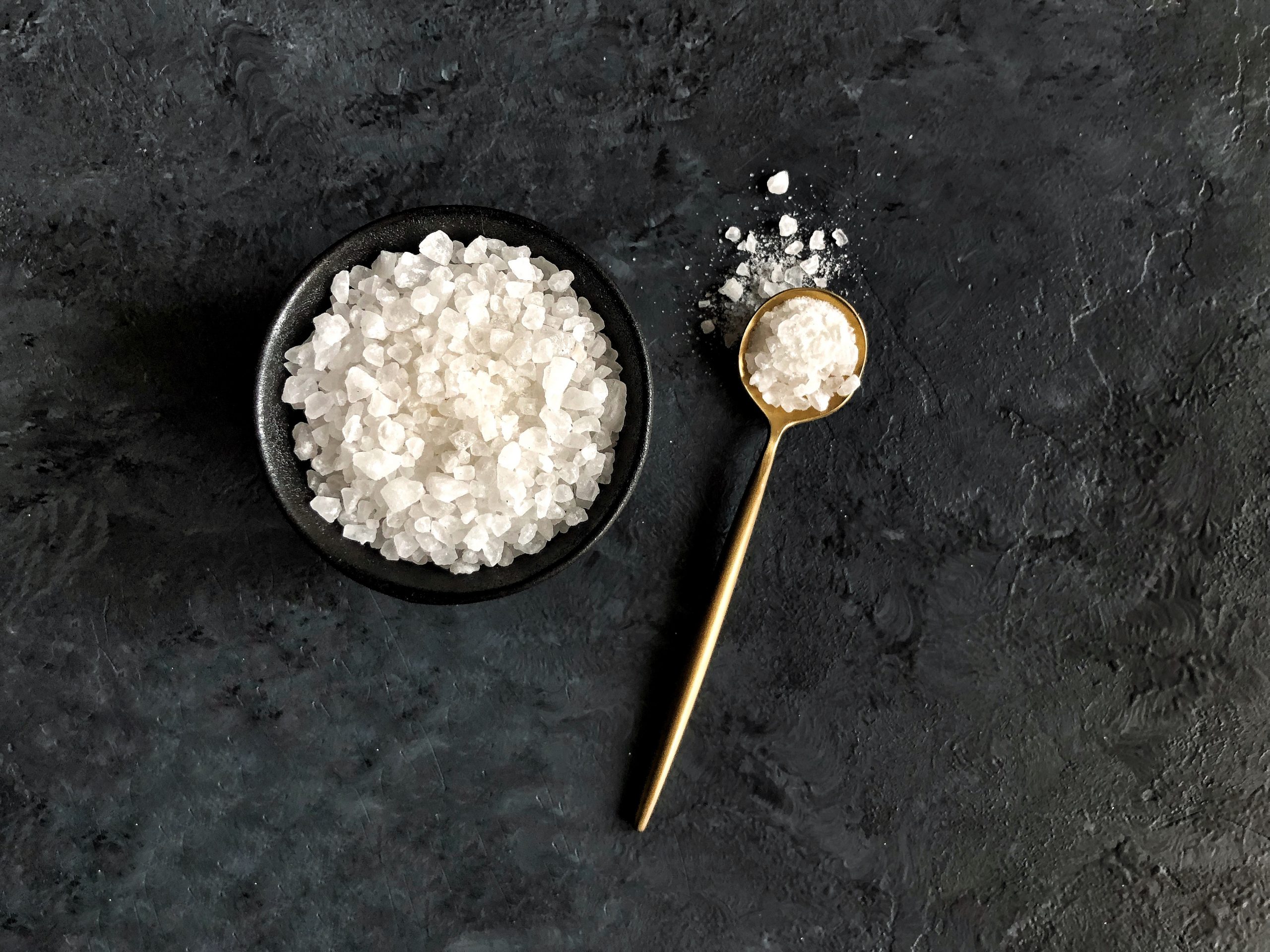
    Salt and Hishio
    Wednesday January 04th 2006, 5:10 pm
    Filed under: More Information On..., Uncategorized

    Before soy sauce became a preferred seasoning in Japan, there was salt.

    One of the original sources of salt in Japan was from animals’ intestines, back in primitive days. As rice gradually replaced meat as a main staple, a different source of salt was sought.

    As Japan is surrounded by water, the most plentiful resource of salt was the sea (even now, the sea remains the only source of salt for Japan). However, methods of extraction were inefficient and complicated, resulting in poor storage and limited supplies. To combat this problem, sea salt was commonly mixed with something else.

    Hishio, a mixture of sea salt and fibres and proteins from animal or plant sources, was the result. It was deliciously fermented, whether it was mixed with grains, meat/fish, or plants such as seaweed or carrots. Hishio served as a nutritious seasoning, and its development was vital to the history of Japanese cuisine. In fact, it is credited as the first step in the evolutionary process toward the creation of both miso and Japanese style soy sauce (in collaboration with the techniques introduced from China), as well as Japan’s famous drink, sake.


    « Happy Japanese New Year! - The Food of Hokkaido »
    0 Comments

    No Comments so far
    Leave a comment

    RSS feed for comments on this post. TrackBack URI


    Leave a comment
    Line and paragraph breaks automatic, e-mail address never displayed, HTML allowed: <a href="" title=""> <abbr title=""> <acronym title=""> <b> <blockquote cite=""> <cite> <code> <del datetime=""> <em> <i> <q cite=""> <strike> <strong>

    (required)

    (required)


    Comment moderation is enabled. Your comment may take some time to appear.

    Japanese Food 101 is © 2005 - 2010 Japanese Food 101
    Syndicate entries using RSS and Comments (RSS).